
"arabica growing zones"
300 article(s) found

Arabica doesn't mean good coffee!
The area where coffee grows is about between the Tropic of Cancer, so this zone is also known as the coffee zone (Coffee Zone).

Coffee knowledge, boutique coffee, common sense coffee with Coffee Zone
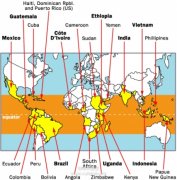
There are more than 60 coffee producing countries in the world, most of which are located in the tropics and subtropics between the Tropic of Cancer (latitude 2326). This coffee growing area is called coffee belt (Coffee Belt) or coffee area (Coffee Zone). The annual average temperature of the coffee belt is above 20 ℃, because the coffee tree is a tropical plant and cannot grow normally if the temperature is below 20 ℃. Coffee species
Coffee fundamentals Coffee with Coffee Zone
There are more than 60 coffee producing countries in the world, most of which are located in the tropics and subtropics between the Tropic of Cancer (latitude 2326). This coffee growing area is called coffee belt (Coffee Belt) or coffee area (Coffee Zone). The annual average temperature of the coffee belt is above 20 ℃, because the coffee tree is a tropical plant and cannot grow normally if the temperature is below 20 ℃. Coffee species

The best gold zone for growing coffee in China Pu'er City, Yunnan Province
The excellent quality of Simao coffee brand Simao coffee not only depends on the formation of unique geography and special climate, but also depends on variety, cultivation, harvest, processing, production and so on. Pu'er City focuses on variety selection and technical training in coffee cultivation. Liu Biao said. Since the development of coffee industrialization in Pu'er City began in 1988, Simao has been used since coffee was planted on a large scale.

A brief introduction to the main factors of the growth environment of coffee beans whether coffee beans contain sugar and why they taste sweet
Professional coffee knowledge exchange more coffee bean information please follow the coffee workshop (Wechat official account cafe_style) front street-coffee growth environment, composition introduction coffee bean growth environment climate is the decisive factor for coffee cultivation, coffee trees are only suitable for growing in the tropics or subtropics, so the zone between 25 degrees south and north latitude is the most suitable for growing coffee. And this coffee production zone, one.

Planting conditions and Regional Distribution of Coffee trees species of Coffee trees planting altitude
Professional coffee knowledge exchange more coffee bean information Please pay attention to the coffee workshop (Wechat official account cafe_style) Coffee planting and geographical distribution climate is the decisive factor in coffee cultivation, coffee trees are only suitable for growing in the tropics or subtropics, so the zone between 25 degrees south and north latitude is generally called coffee belt or coffee area. However, not all the land located in this area

Boutique Coffee Science about the growth zone of coffee beans
Coffee beans grow in tropical or subtropical agricultural gardens around the equator, called coffee belts, and travel to Japan with ships. When the brown coffee beans appear in front of your eyes, they have actually gone through a variety of different circulation processes and the hands of many people. Coffee is widely distributed in South America, Central America, the West Indies, Asia, Africa, Arabia, the South Pacific and

The main producing areas and characteristics of Coffee in the World
Coffee production zones (commonly known as coffee belts) range from 25 degrees north latitude to 30 degrees south latitude, covering many countries in Central, West Africa, the Middle East and South Asia, the Pacific, Latin America and the Caribbean. The reason why coffee cultivation is concentrated in this area is mainly due to the limitation of temperature. Because coffee trees are vulnerable to frost, neither north nor south latitude is suitable, especially in the tropics.

The characteristics, flavor and taste of Yunnan small-grain coffee introduction to the varieties treated in the manor area
The characteristics of Yunnan small grain coffee flavor taste manor production area treatment variety introduction (1) product figure 2 Baoshan small grain coffee base [4] species. Catimor, Coffea arabica var. Typica Cramer), Bourbon variety (Cofea arabica var. Bourbon choussy), Kaddura variety (Cofea arabica var. Cat

Introduction of Yunnan Simao Coffee with moderate acidity and uniform taste
Simao area of Yunnan Province is between 1000 and 2000 meters above sea level, with mountains and slopes as the main terrain, fertile soil, sufficient sunshine, rich rainfall and large temperature difference between day and night, which is not only the paradise for Arabica planting, but also the key to the production of high-quality Arabica coffee beans. Simao area spans subtropical and tropical climatic zones. The climate is relatively dry and hot, with many dry and hot valleys and barren mountains, which is very suitable.

The growing situation of Gedeo zone Coffee in Yejia Coffee producing area
Professional coffee knowledge exchange more information on coffee beans please follow the coffee workshop (Wechat official account cafe_style) Yega Xuefei coffee beans, the earliest definition is produced in Ethiopia, a coffee bean called the town of Yegashafi. Most coffee fans may be no stranger to Ethiopia, which is the birthplace of Arabica and the most important native / wild in the world.

Yunnan Arabica coffee how to brew flavor description taste treatment method production area variety introduction
Yunnan Arabica coffee how brewing flavor Description Taste treatment method Production area Variety introduction Coffee quality depends on the growth environment, climate and cultivation management techniques and other factors. Its best growth environment is low latitude, high altitude, rainfall, sunshine suitable, so north latitude 15. The ideal growth zone for coffee is between Tropic of Cancer and Tropic of Cancer. But in other parts of this zone,

Where do coffee beans come from? The production zone of boutique coffee beans
Coffee trees need high altitude, tropical climate and fertile soil to grow the best coffee beans. Such climatic conditions on earth surround the equator, about 25 degrees north latitude to 30 degrees south latitude. In addition to location, there are many other factors that affect the quality of coffee: planting methods, soil fertility, weather, especially rainfall and light, and exact latitude.

A brief introduction to the description of flavor and flavor characteristics of Simao coffee beans in Yunnan coffee producing area with moderate acidity
Simao area of Yunnan Province is between 1000 and 2000 meters above sea level, with mountains and slopes as the main terrain, fertile soil, sufficient sunshine, rich rainfall and large temperature difference between day and night, which is not only the paradise for Arabica planting, but also the key to the production of high-quality Arabica coffee beans. Simao area spans subtropical and tropical climatic zones. The climate is relatively dry and hot, with many dry and hot valleys and barren mountains, which is very suitable.

Where are the four major coffee beans produced? is the origin of coffee in Africa?
Professional coffee knowledge exchange more coffee bean information please follow coffee workshop (Wechat official account cafe_style) Asia and Oceania China: the coffee planting area of Yunnan Province in China has reached 7800 hectares. at present, the province accounts for 70% of the national area and 83% of the country's output. In addition to Yunnan, coffee is grown in Hainan and Taiwan. Coffee distribution zone: Yunnan

Main producing areas and characteristics of Fine Coffee
Coffee production zones (commonly known as coffee belts) range from 25 degrees north latitude to 30 degrees south latitude, covering many countries in Central, West Africa, the Middle East and South Asia, the Pacific, Latin America and the Caribbean. The reason why coffee cultivation is concentrated in this area is mainly due to the limitation of temperature. Because coffee trees are vulnerable to frost, neither north nor south latitude is suitable, especially in the tropics.

Main producing areas and characteristics of Coffee in the World
Coffee production zones (commonly known as coffee belts) range from 25 degrees north latitude to 30 degrees south latitude, covering many countries in Central, West Africa, the Middle East and South Asia, the Pacific, Latin America and the Caribbean. The reason why coffee cultivation is concentrated in this area is mainly due to the limitation of temperature. Because coffee trees are vulnerable to frost, neither north nor south latitude is suitable, especially in the tropics.

Basic knowledge of coffee in main producing areas and characteristics of coffee
Coffee production zones (commonly known as coffee belts) range from 25 degrees north latitude to 30 degrees south latitude, covering many countries in Central, West Africa, the Middle East and South Asia, the Pacific, Latin America and the Caribbean. The reason why coffee cultivation is concentrated in this area is mainly due to the limitation of temperature. Because coffee trees are vulnerable to frost, neither north nor south latitude is suitable, especially in the tropics.

Coffee beans with commercial value of the three native species of coffee in coffee growing areas
Professional coffee knowledge exchange more coffee bean information please follow the coffee workshop (Wechat official account cafe_style) there are more than 60 coffee producing countries in the world, most of which are located in the tropics and subtropics between the Tropic of Cancer (latitude 2326). This coffee growing area is called coffee belt (Coffee Belt) or coffee area (Coffee Zone). Coffee growing area

Fine Coffee the main producing areas and characteristics of coffee in the world
Coffee production zones (commonly known as coffee belts) range from 25 degrees north latitude to 30 degrees south latitude, covering many countries in Central, West Africa, the Middle East and South Asia, the Pacific, Latin America and the Caribbean. The reason why coffee cultivation is concentrated in this area is mainly due to the limitation of temperature. Because coffee trees are vulnerable to frost, neither north nor south latitude is suitable, especially in the tropics.